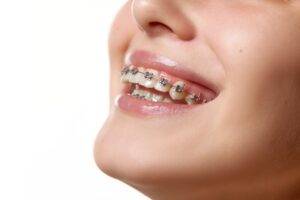
Invisalign vs braces is usually the first question that comes up when someone in the Lehigh Valley starts thinking about straightening their teeth. Both approaches move teeth into better positions, but they get there in different ways, and the right choice depends on your bite, your daily routine, and how you feel about wearing hardware in your mouth for a year or two. Here’s what actually separates the two, so you can walk into your consultation already knowing what questions to ask.
What Is Invisalign vs Braces, Exactly?
Braces use metal or ceramic brackets bonded to each tooth, connected by an archwire that applies steady pressure over time. Invisalign relies on a series of clear, removable trays that shift teeth in small, incremental steps. Both are forms of orthodontic treatment aimed at correcting crowding, spacing, and bite alignment, but the daily experience of wearing them is where the real differences show up. Braces stay on your teeth around the clock. Aligners come out for eating, brushing, and special occasions, then go back in for the rest of the day.
How Each Treatment Actually Works
Braces guide teeth through continuous pressure applied by the archwire, with adjustments made at regular visits to keep things moving in the right direction. Invisalign works through a sequence of aligners, each one slightly different from the last, worn for one to two weeks before moving to the next tray in the series. Progress with aligners depends heavily on wear time. Skipping hours here and there adds up and can slow things down more than people expect.
Five Key Benefits Worth Knowing
Choosing between these two paths often comes down as much to lifestyle as it does to the complexity of your bite. Some of the biggest advantages people mention include:
- Aligners are far less noticeable, which matters for adults in client-facing roles or teens who feel self-conscious about metal.
- Braces apply consistent force without relying on the patient to remember to wear anything.
- Aligners can be removed for eating, so there are no food restrictions to worry about.
- Braces tend to handle complex rotations and bite corrections with more predictability.
- Both options, when paired with good hygiene, produce lasting results with proper retention afterward.
Invisalign vs Braces: Who Tends to Do Better With Each
Not every bite responds the same way to both treatments. Aligners work well for people dealing with mild to moderate crowding or spacing who can commit to wearing trays 20 to 22 hours a day. If your case involves rotated molars, significant bite discrepancies, or movements that need more force than trays can provide, braces usually give more reliable control. Severe cases sometimes call for surgical orthodontics alongside braces, though most patients never need that level of intervention. A full exam is really the only way to know which category you fall into, since two people with similar-looking smiles can have very different underlying bite issues.
What to Expect Day to Day
Braces typically run anywhere from 12 to 30 months, depending on how much movement is needed. You’ll want to steer clear of sticky or hard foods that can damage brackets, and brushing after meals becomes part of the routine. Aligners generally run 6 to 24 months, with trays swapped on a schedule your provider sets. Since they come out for meals, there’s more flexibility around food, but that same removability means the responsibility to wear them consistently falls on you. Either path calls for regular check-ins so your provider can confirm things are tracking as planned. You can browse how clear aligners compare to traditional braces if you want a closer look at what each involves before your visit.
Frequently Asked Questions
Will treatment hurt?
Expect some pressure after an adjustment or when switching to a new aligner. It usually eases within a day or two, and over-the-counter pain relief helps in the meantime.
Can kids use Invisalign?
Older teens who reliably follow wear-time instructions often do well with aligners. Younger children with developing bites tend to get better results with braces.
What happens if I lose an aligner?
Call your provider right away. Depending on where you are in treatment, you might move ahead to the next tray or need a replacement made.
How often will I need appointments?
Braces usually need monthly adjustments. Aligner patients often alternate between in-person visits and shorter check-ins as trays progress.
Do results last after treatment ends?
Yes, as long as you follow through with retainer wear afterward. That’s the part that protects everything you worked to achieve.
Find Out Which Option Fits Your Smile
At Cherry Orthodontics in Bethlehem, Dr. William Cherry and the team walk through both options during your first visit, using your bite and daily habits to figure out which route makes more sense. If you’re weighing Invisalign vs braces and want a professional opinion, stop by our Bethlehem office or find us on the map to schedule a visit that fits your calendar.s return to and refer their friends and neighbors to, and we’d love the chance to earn your trust.